
Heart health
Metabolic strength
Brain function
Immune resilience

The #1 Visual Builder
The #1 Visual Builder
of early deaths preventable by diet
disease risk reduction with Mediterranean diet
fewer heart attacks in people eating whole grains
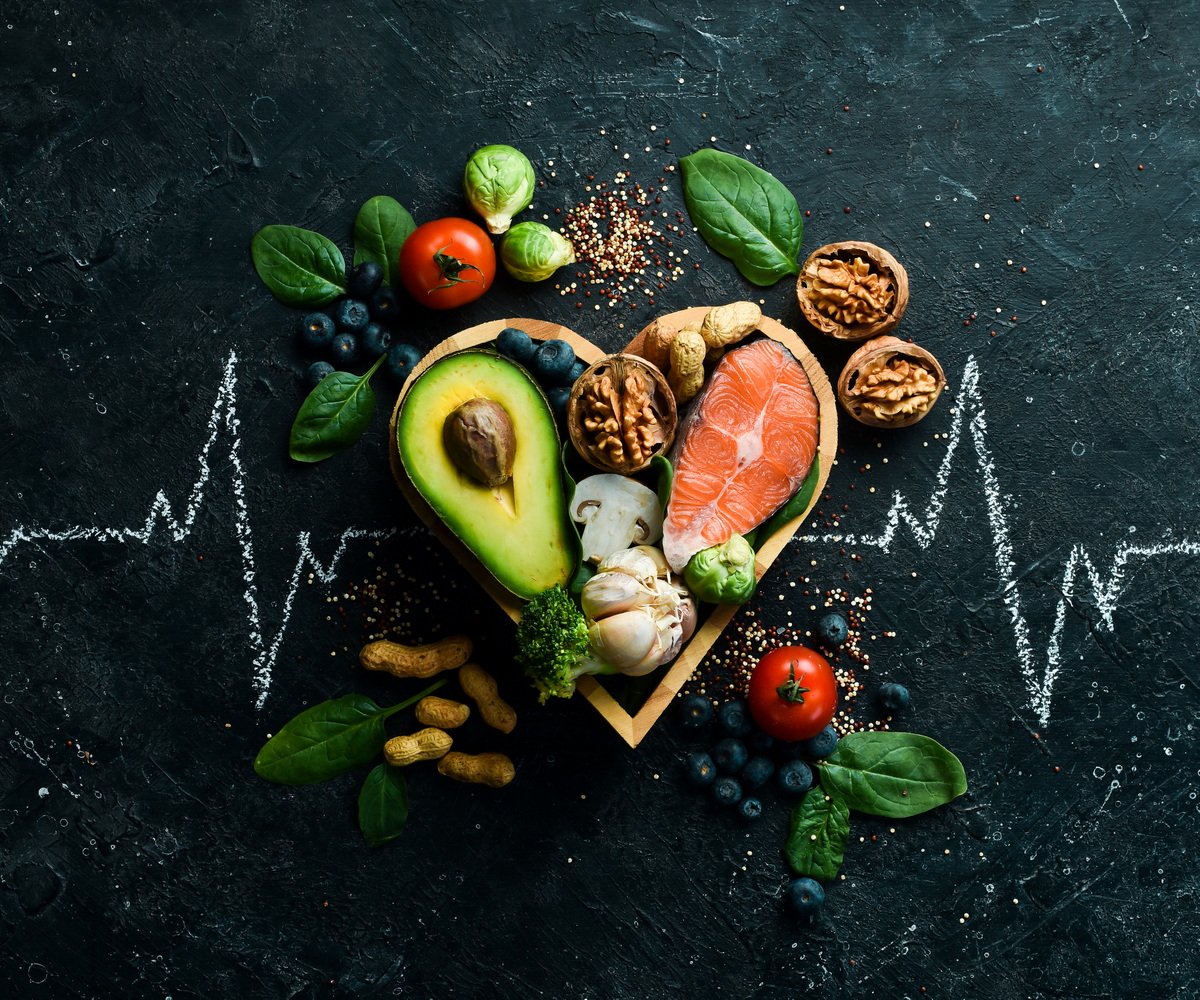
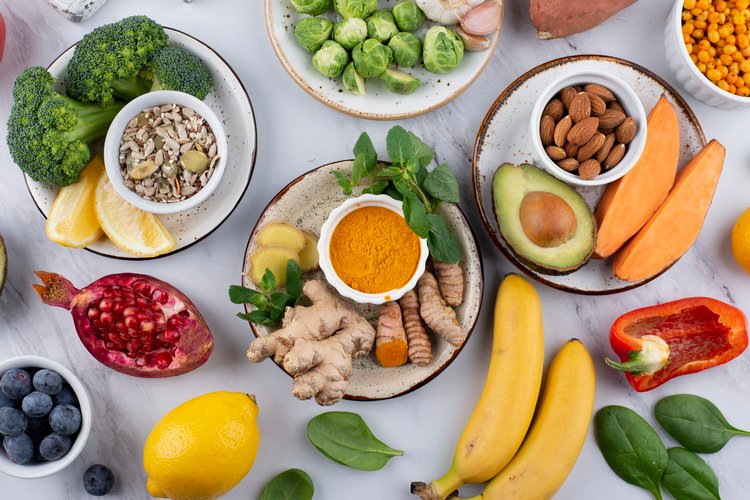
Superfoods are nutrient-dense foods with measurable health benefits, but no food is a miracle cure. Foods like berries, leafy greens, and fatty fish contain compounds backed by research. The term is marketing language, but the science behind certain foods is solid.
Look for peer-reviewed research, not testimonials or celebrity endorsements. Check if studies were done on humans, not just animals or cells. Be skeptical of claims that one food cures disease or that you need expensive supplements.
Plant-based eating can be healthy if well-planned with adequate protein, B12, iron, and omega-3s. It works for some people but not everyone. Your individual needs depend on your health status, activity level, and food preferences.
Functional foods provide health benefits beyond basic nutrition. Examples include fermented foods for gut health, fatty fish for omega-3s, and cruciferous vegetables for cancer-fighting compounds. They're whole foods with documented physiological effects.
Most people can meet their nutrient needs through food alone if they eat a varied diet. Supplements fill gaps when food sources are insufficient, such as vitamin D in northern climates or B12 for vegans. Work with a healthcare provider to determine your actual needs.
Most adults need 0.8 grams per kilogram of body weight daily, but older adults and athletes need more. Protein needs vary by age, activity level, and health status. Spread intake throughout the day for better muscle synthesis.
Carbohydrates aren't inherently bad, but quality matters significantly. Whole grains, legumes, and vegetables provide fiber and nutrients. Refined carbohydrates and added sugars increase disease risk, but complex carbs support health.
Dietary fat is essential for hormone production and nutrient absorption. Unsaturated fats from olive oil, nuts, and fish protect heart health. Saturated fat and trans fats increase disease risk when consumed in excess.
Check serving size first, then look at calories, added sugars, sodium, and fiber. Compare products by serving size, not per package. Ingredient lists show what's actually in the food, in order by weight.
Yes, diet is one of the strongest modifiable risk factors for heart disease, diabetes, and cancer. Research shows that consistent healthy eating patterns reduce disease risk by 20 to 40 percent. Food is prevention, not treatment.