
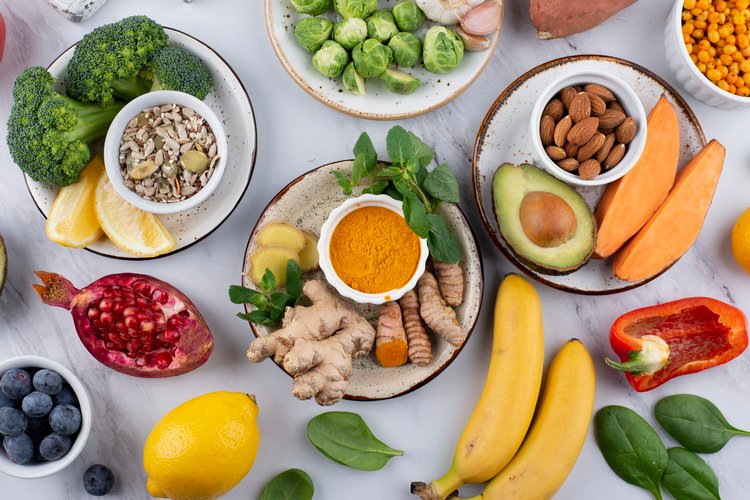
Digestive health matters

Your gut shapes everything from immunity to mood. Learn what science says about prevention.
Foundation

What shapes your digestive health

Three pillars support a functioning gut.
Concerns

Common digestive complaints and what causes them

Bloating, acid reflux, and irregular bowel movements.
Connection

The gut-brain axis

How your mind influences your stomach.
Nutrition

Foods that support healing

What to eat for optimal digestive function.
Disorders

When digestion breaks down

Heartburn, irritable bowel syndrome, and inflammatory conditions affect millions across Europe and North America. These disorders shape daily life and demand real solutions.
Stomach acid backs up into the esophagus, causing burning pain and discomfort. Dietary choices and eating habits often determine whether this becomes chronic or evolve to other disorders.
IBS brings unpredictable cramping, bloating, and irregular bowel movements without obvious structural damage. Stress, food sensitivities, and gut bacteria imbalances play significant roles.
Crohn's disease and ulcerative colitis involve chronic inflammation requiring medical management. Nutrition and lifestyle modifications support conventional treatment and improve quality of life.
Microbiota

Your gut bacteria matter

Trillions of microorganisms live in your intestines, influencing immunity, mood, and metabolism. Understanding this ecosystem changes how you approach digestive health.
Balance

How dysbiosis develops and spreads

Antibiotics, processed foods, and chronic stress kill beneficial bacteria while allowing harmful species to flourish. This imbalance triggers inflammation and digestive dysfunction.
Age 30-40

Damage begins quietly

Plaque accumulates in artery walls without any warning signs. High blood pressure and elevated cholesterol silently injure vessel linings while you feel completely normal.
Age 40-50

Narrowing accelerates

Arterial blockages worsen as inflammation increases. Blood flow becomes restricted. Some people notice fatigue or shortness of breath with exertion. Testing now reveals significant changes.
Age 50-60

Critical intervention window

Aggressive lifestyle changes and medication can stabilize plaques and prevent events. This is when prevention saves lives. Early action here changes everything.
Nutrition

Food shapes digestive function

What you eat directly affects how your gut works and how well it protects you. Simple dietary changes often resolve chronic digestive problems.
Most people eat half the fiber they need, leading to sluggish digestion and constipation. Whole grains, legumes, and vegetables restore normal bowel function naturally.
Water moves food through your digestive tract and helps nutrients absorb properly. Dehydration causes constipation and reduces the gut's ability to heal.
Refined oils, added sugars, and artificial additives trigger intestinal inflammation and dysbiosis. Removing these foods often brings relief within weeks.
Stages

Digestive health across the lifespan

Your digestive system changes with age, bringing new challenges and opportunities for prevention. Understanding these shifts helps you adapt your approach.

Childhood

Building a healthy foundation

Early exposure to diverse foods and fermented products establishes a robust microbiome. Avoiding unnecessary antibiotics and supporting natural immunity protects digestive health for decades.

Adulthood

Managing stress and habits

Work pressure, poor eating patterns, and sedentary living damage digestion during peak years. Intentional choices about food, movement, and stress recovery prevent long-term damage.

Midlife

Hormonal shifts and inflammation

Declining estrogen and progesterone alter gut bacteria and increase inflammation. Targeted nutrition and stress management become essential for maintaining digestive comfort.

Later years

Preserving function and comfort

Reduced stomach acid and slower transit time require dietary adjustments and consistent movement. Nutrient-dense foods and adequate hydration prevent malabsorption and decline.

Frequently Asked Questions

What you need to know about your digestive system and gut health.

Persistent bloating, unexplained weight loss, or blood in stool warrant medical attention. Most digestive troubles respond well to diet and lifestyle changes, but a doctor can rule out serious conditions.

Some evidence supports certain probiotic strains for specific conditions like irritable bowel syndrome. Quality matters more than quantity, and not all probiotics work the same way for everyone.

The gut-brain connection is real. Stress triggers the nervous system to slow digestion and reduce stomach acid, often causing cramping and irregular bowel movements.

Bone broth, leafy greens, and foods rich in omega-3 fatty acids support gut barrier function. Fermented foods like sauerkraut and kimchi provide beneficial bacteria naturally.

Slow eating, adequate hydration, and reducing processed foods often eliminate bloating. Ginger tea and gentle movement after meals can ease discomfort significantly.

Most adults need 25 to 35 grams daily, but increase gradually to avoid gas and cramping. Your gut bacteria need time to adapt to higher fiber intake.

The science is limited, but eating simpler meals with fewer ingredients may help sensitive digestive systems. Focus on whole foods and proper chewing instead.

Chronic inflammation from processed foods, stress, and certain medications can damage the intestinal barrier. Healing requires removing irritants and supporting the gut lining with nutrient-dense foods.

For most people, short fasting windows allow the digestive system to rest and repair. Those with a history of eating disorders or certain conditions should consult a doctor first.

Keep a food diary and note symptoms like bloating, fatigue, or skin reactions. An elimination diet under professional guidance can identify problematic foods more reliably than commercial tests.

Have more questions or remarks?

Reach out anytime with feedback or suggestions

Explore digestive health further

Discover evidence-based strategies for lasting digestive wellness.