
Strengthen your immunity

Learn how to support your body's natural defenses through evidence-based nutrition, lifestyle, and preventive strategies
Navigate

Find answers in two simple steps

Start with a health topic or search for what concerns you most right now.
Topics

What you'll find here

We cover the science of immune function, practical nutrition strategies, and lifestyle factors that matter. Everything is grounded in research, nothing in hype.

Immune system basics

How your body recognizes and fights threats, from innate to adaptive immunity.

Nutrition for immunity

Which foods, nutrients, and dietary patterns strengthen immune response and resilience.
Fundamentals

How your body recognizes and fights threats

Your immune system operates in two layers. The innate response acts first, a rapid barrier against invaders. The adaptive response learns and remembers, building defenses that last.

Innate immunity

Your first line of defense against pathogens and foreign substances.

Adaptive immunity

Specialized cells that remember past infections and mount targeted responses.

Seasonal infections

Respiratory viruses peak in winter months across Europe and North America.

Allergic responses

Immune overreaction to harmless substances causes inflammation and discomfort.

Autoimmune disease

The immune system attacks the body's own tissues, causing chronic inflammation.

Immune aging

Defenses weaken with age, increasing vulnerability to infection and disease.
Advantages

Why evidence-based immune support matters

Strong immunity reduces your risk of infection and illness. Better defenses mean fewer sick days, more energy, and a life lived fully. Science shows us the path.

Lower infection risk

Proper nutrition and sleep reduce susceptibility to common infections.

Improved recovery

Strong immune function shortens illness duration and prevents complications.
Strategy

Build immunity through daily habits and choices

Immunity is not built overnight. It grows from consistent sleep, real food, movement, and stress management. Each choice either strengthens or weakens your defenses.

Sleep and recovery

Immune cells regenerate during sleep, making rest essential for defense.

Nutrition matters

Specific foods and nutrients directly support immune cell function.
Fundamentals

How your body recognizes and fights threats

Your immune system operates in two layers. The innate response acts first, a rapid barrier against invaders. The adaptive response learns and remembers, building defenses that last.

Innate immunity

Your first line of defense against pathogens and foreign substances.

Adaptive immunity

Specialized cells that remember past infections and mount targeted responses.

37%

Metabolic syndrome prevalence


Of adults in the United States meet criteria for metabolic syndrome.

70%

Immune cells in the gut


Gut health directly influences overall immune function.

30%

Immunity decline from chronic stress


Long-term stress suppresses immune cell activity.

Explore immune health topics

Dive deeper into nutrition, lifestyle, and natural approaches that strengthen your defenses.

Frequently Asked Questions

Find answers to what matters most about building immune resilience.

Sleep deprivation, chronic stress, poor nutrition, and sedentary living all suppress immune function. Infections, inflammation, and aging naturally reduce your defenses over time.

No. Sleep is where immune cells regenerate and consolidate memory. No pill restores what rest provides. Supplements support, they do not substitute.

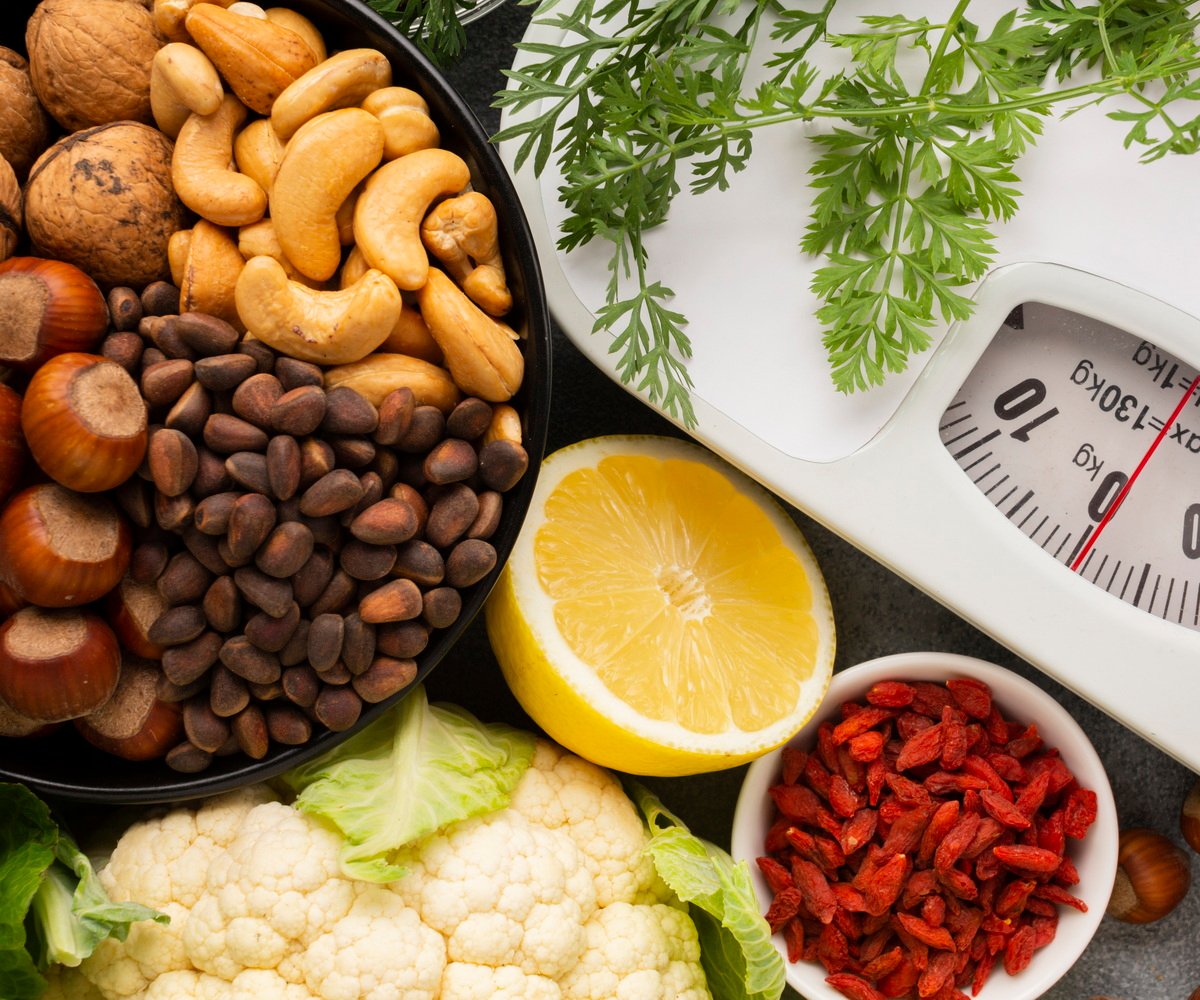
Garlic, ginger, citrus fruits, leafy greens, and fatty fish contain compounds that strengthen immune response. Fermented foods support gut bacteria that train immune cells.

Moderate activity, thirty minutes daily, increases immune cell circulation. Intense overtraining without recovery suppresses immunity. Balance matters more than intensity.

Your gut hosts seventy percent of immune cells. Fermented foods and diverse fiber naturally feed beneficial bacteria. Supplements help only if your diet lacks these sources.

Vitamin C supports immune function but does not prevent infection in most people. It may shorten cold duration slightly in those under extreme physical stress.

Zinc is essential for immune cell development. Deficiency impairs immunity, but excess supplementation offers no benefit and may interfere with copper absorption.

Chronic stress elevates cortisol, which suppresses immune response. Acute stress temporarily enhances it. Long-term stress leaves you vulnerable to infection.

Yes. Regular hand washing remains the most effective barrier against respiratory and gastrointestinal pathogens. No supplement replaces this simple practice.

Persistent infections, unexplained fatigue, or frequent illness warrant medical evaluation. Lifestyle changes work best alongside professional guidance, not instead of it.

Have more questions or remarks?

Reach out anytime with feedback or suggestions