




Preventable cases
Most heart disease stems from modifiable risk factors.
Risk reduction
Regular exercise cuts cardiovascular disease risk significantly.
mmHg blood pressure drop
Sodium reduction produces measurable results in months.
High blood pressure develops when the force of blood against artery walls stays too high over time. Sodium intake, stress, excess weight, and lack of physical activity are major contributors. Genetics also play a role, but lifestyle changes can significantly lower your numbers.
Advanced atherosclerosis cannot be completely reversed, but progression can be stopped and symptoms can improve dramatically. Research shows that aggressive lifestyle changes combined with medication can stabilize plaques and restore blood flow. Early intervention offers the best outcomes.
The WHO recommends 150 minutes of moderate aerobic activity weekly for adults. This reduces heart disease risk by up to 35 percent. Even small amounts of movement benefit your cardiovascular system, and consistency matters more than intensity.
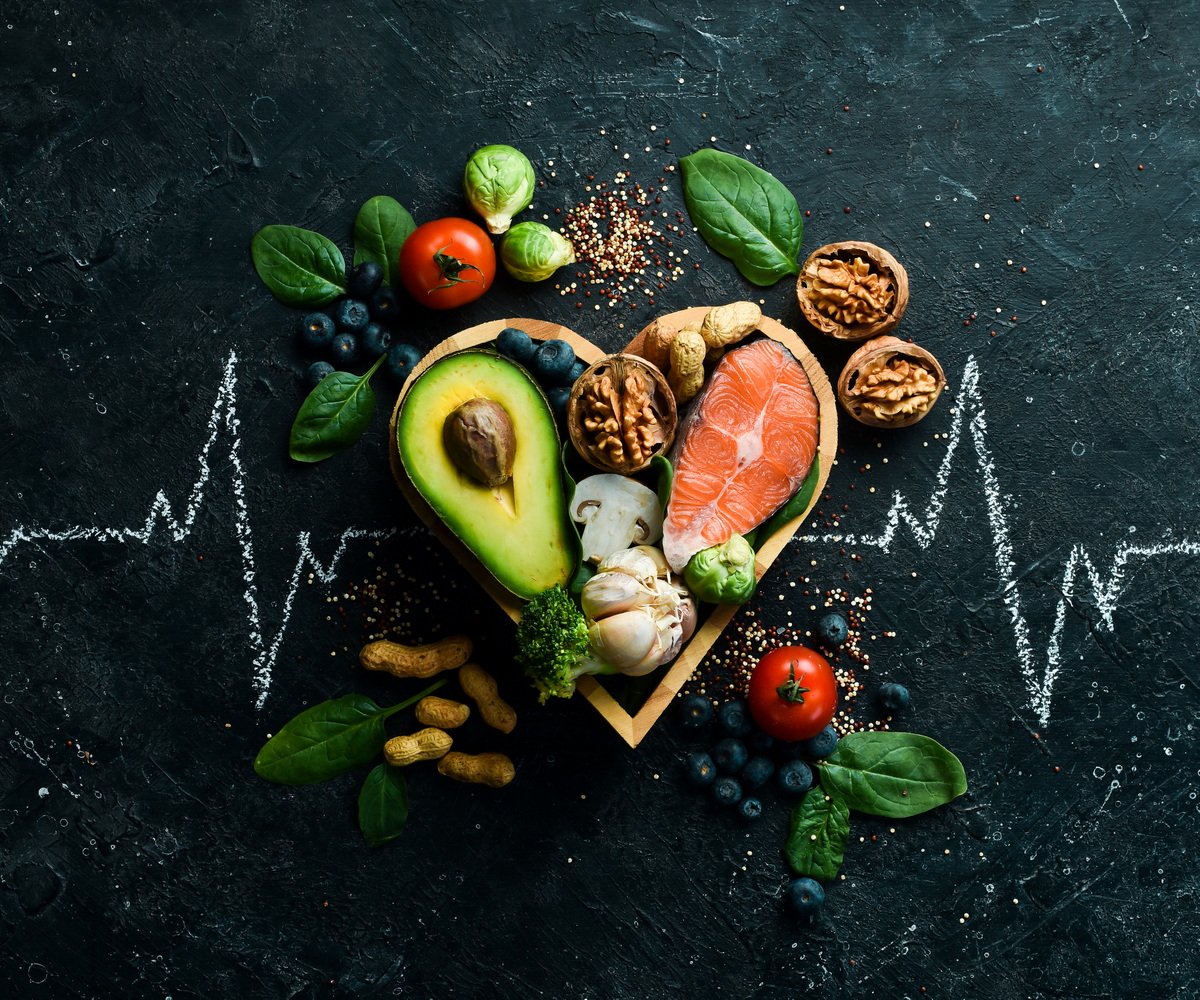
Diet influences cholesterol levels significantly, though genetics determine about 25 percent of your levels. Reducing saturated fat, increasing fiber, and eating more plant-based foods can lower LDL cholesterol naturally. Mediterranean and DASH diets show the strongest evidence for heart protection.
Normal blood pressure is below 120/80 mmHg. Elevated is 120-129 and less than 80. Stage 1 hypertension is 130-139 or 80-89, and stage 2 is 140 or higher or 90 or higher. Regular monitoring helps catch changes early.
Chronic stress increases heart disease risk through multiple pathways including inflammation, higher blood pressure, and unhealthy coping behaviors. Acute stress can trigger heart attacks in vulnerable people. Stress management techniques like meditation and exercise provide measurable cardiovascular benefits.
Excess sodium raises blood pressure in salt-sensitive individuals, affecting about half the population. The average person consumes twice the recommended amount. Reducing sodium to 2,300 mg daily can lower blood pressure by 5-6 mmHg on average.
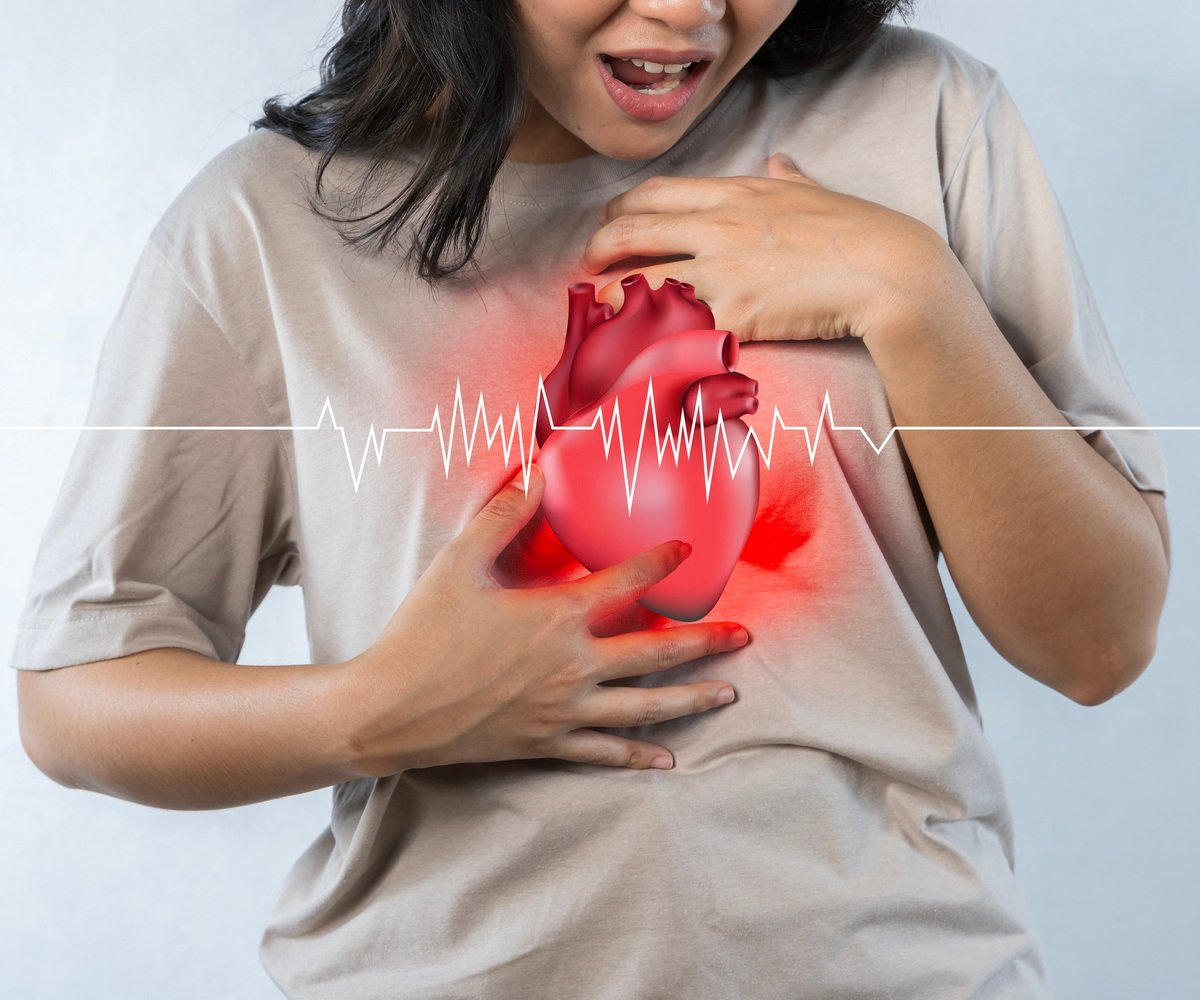
Women often experience different heart attack symptoms than men, including fatigue and shortness of breath rather than chest pain. Hormonal changes after menopause increase risk significantly. Women are also more likely to be misdiagnosed, making awareness critical.
Risk factors include high blood pressure, high cholesterol, smoking, diabetes, obesity, physical inactivity, and family history. Age and sex also matter. A healthcare provider can calculate your 10-year risk using validated tools and recommend personalized prevention strategies.
Some supplements show promise in research, but evidence is mixed. Omega-3 fish oil, CoQ10, and magnesium have some supporting data. However, whole foods provide better evidence for heart protection. Always discuss supplements with your doctor before starting.